The Gulf economy war 2026 delivered three body blows in a single quarter — a regional conflict, a blocked oil shipping lane, and an oil market doing something completely contradictory. Most headlines told you the Gulf was finished. The data tells a different story.
This post breaks down what actually happened, why it matters, and what it means for your money, career, and decisions in this region.
Table of Contents
What Happened: Three Shocks, One Quarter
On February 28, 2026, the United States and Israel launched coordinated strikes on Iran. The Supreme Leader was killed. Iran fired back with missiles and drones that reached UAE territory, striking Abu Dhabi’s airport and killing one person.
Within 48 hours, Dubai and Abu Dhabi suspended their stock markets. Tourism bookings dropped 60%. Jebel Ali Port — the busiest port in the Middle East — halted operations. More than 80% of flights were cancelled.
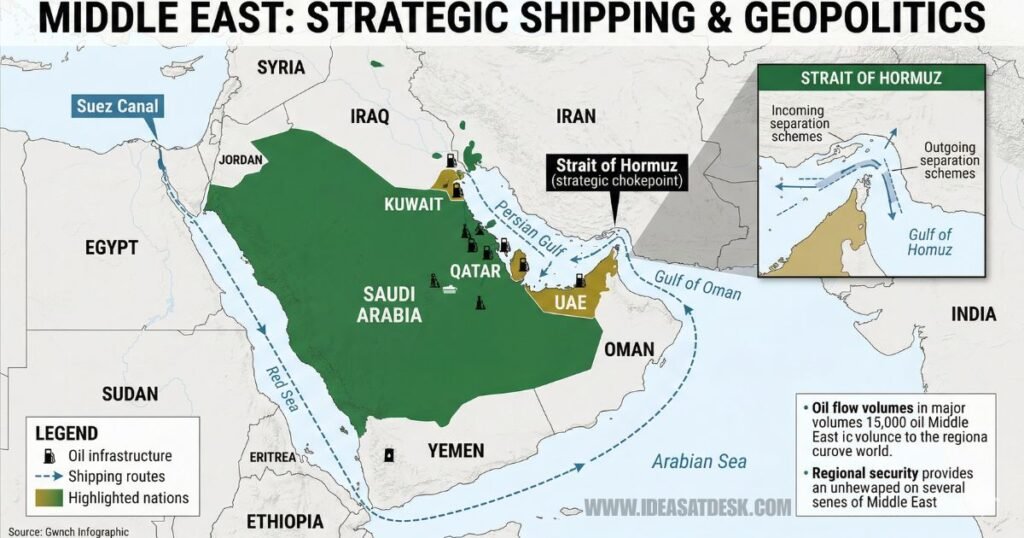
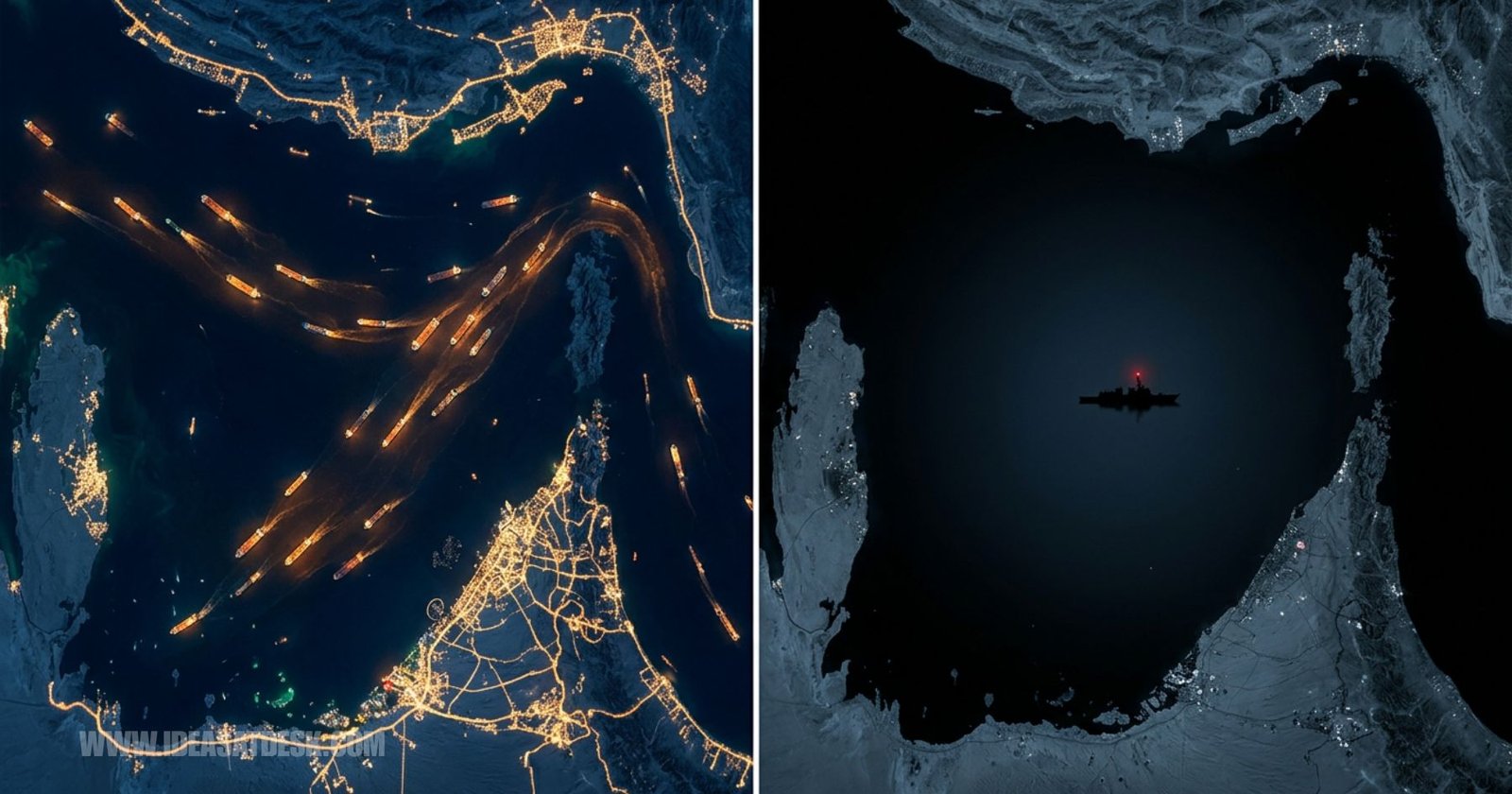
Then Iran did something that changed the global energy picture entirely. It closed the Strait of Hormuz.
The Strait is a 21-mile-wide passage between Iran and Oman through which roughly 20 million barrels of oil flow every single day — approximately 20% of the world’s entire oil supply. Tanker traffic dropped by 90%. The International Energy Agency described it as the greatest global energy security challenge in history.
This was the Gulf economy war 2026 at its most acute.
The Oil Paradox Nobody Explained Clearly
Here is where the story gets complicated — and where most news coverage fell short.
When the Strait closed, oil prices surged. Brent crude hit $120 a barrel at its peak and is trading around $108 as of late March 2026. On paper, this should be good news for Gulf oil producers. Saudi Arabia needs roughly $91 per barrel to balance its national budget. At $108, that looks like a surplus.
Except you cannot export what you cannot ship.
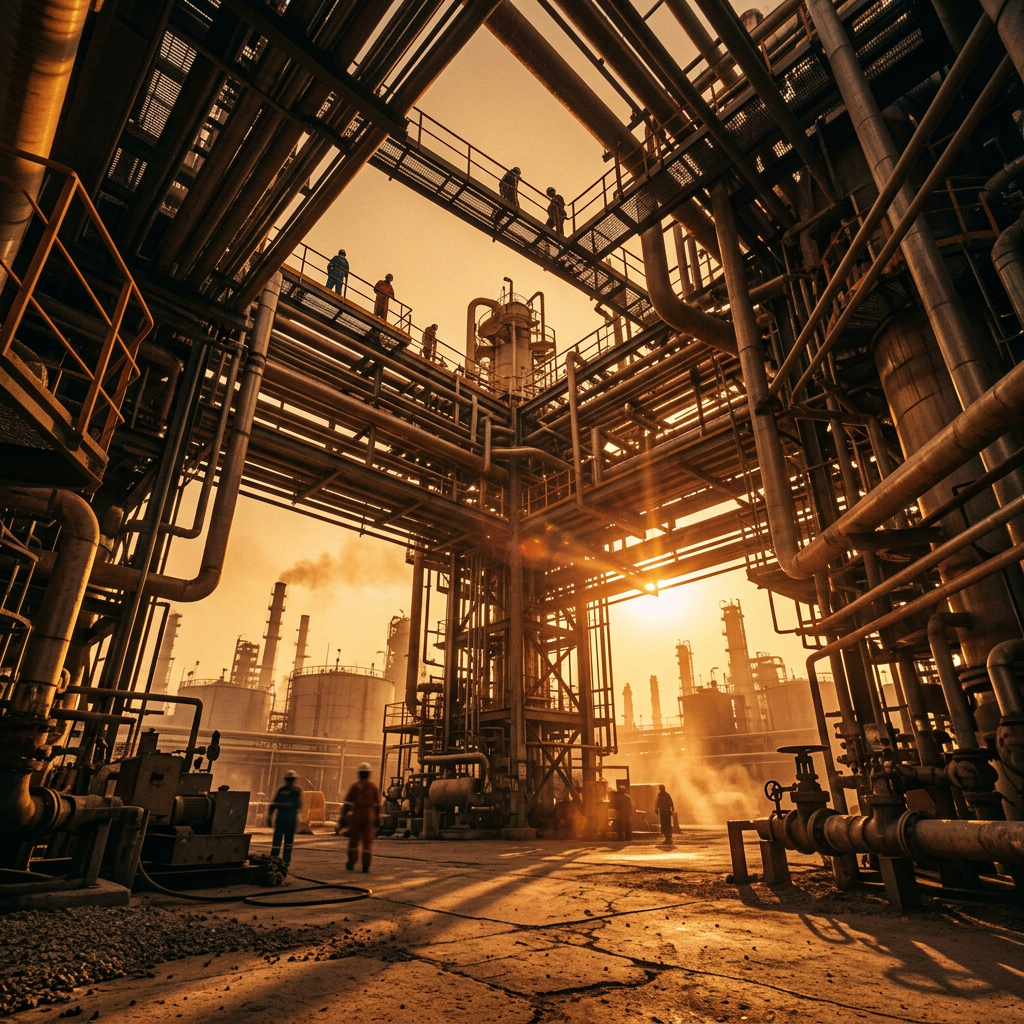
Saudi Arabia was forced to shut Ras Tanura — its largest refinery, processing 550,000 barrels per day. It rerouted some production through the East-West pipeline to the Red Sea port of Yanbu, but that pipeline can only carry a fraction of normal export volumes. Qatar, the world’s second largest LNG exporter, declared force majeure on all contracts — telling every customer it could not deliver and was not legally liable for the shortfall.
According to the IEA’s March 2026 Oil Market Report, Gulf countries collectively cut oil production by at least 10 million barrels per day. Global supply dropped by 8 million barrels per day in March alone.
The pump was running. The tank was full. The pipe to the customer was blocked.
Macquarie Group warned on March 27 that oil could hit $200 a barrel if the conflict dragged on until June, putting 40% odds on that scenario. Wood Mackenzie said $200 was not outside the realms of possibility.
Gulf Economy War 2026: Why Saudi Arabia Faces the Harder Road
Saudi Arabia enters this crisis mid-transformation. Vision 2030 — the kingdom’s $1.25 trillion plan to diversify away from oil — is now in its third and final phase. Non-oil GDP has crossed 52% of total output for the first time in history. Non-oil government revenues hit a record in 2025.
But the plan still depends on oil revenues to fund the transformation itself. With the Strait blocked, those revenues are not flowing — even at $108 oil.
The Finance Minister’s message at Davos this year was telling: “Optimal impact. Right cost.” Translation — Saudi is slowing down, being selective, and cutting projects that no longer make economic sense. NEOM timelines are being stretched. Some mega-projects are paused.
This is not collapse. It is adjustment. Saudi Arabia has low debt-to-GDP ratios and significant foreign reserves. But the next 60 days are a genuine test of whether Vision 2030 can maintain momentum when the oil money temporarily stops flowing.
For anyone whose salary, contract, or business depends on Gulf government spending — this matters directly.
How the UAE Built Its Exit Before the Crisis Started
The contrast between Saudi Arabia and the UAE in the Gulf economy war 2026 tells you everything about the value of long-term infrastructure planning.
When missiles hit in early March, the UAE had something nobody else in the region had — a fully operational bypass pipeline that runs completely outside the Strait of Hormuz.
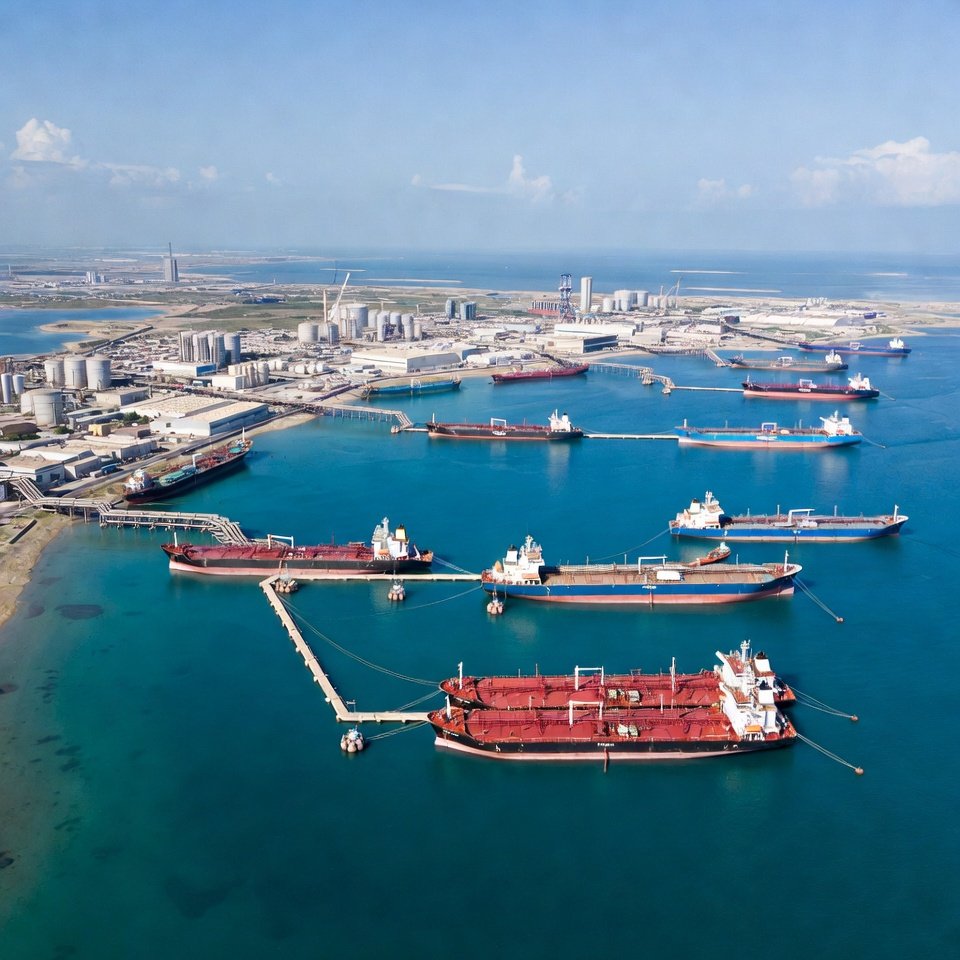
The Abu Dhabi Crude Oil Pipeline, also known as the Habshan-Fujairah Pipeline, runs 380 kilometres from Abu Dhabi’s inland oil fields to the port of Fujairah on the Gulf of Oman. Built at a cost of $4.2 billion and operational since 2012, it carries 1.5 million barrels per day — with capacity to push to 1.8 million barrels per day when required. Crucially, it bypasses the Strait entirely.
While Qatar was declaring force majeure and Saudi was scrambling to reroute through Yanbu, the UAE kept its crude moving.
S&P Global affirmed the UAE’s AA credit rating throughout the crisis, pointing to a government net asset position of 184% of GDP. The UAE Central Bank launched a liquidity package backed by over one trillion dirhams in reserves. The UAE economy is still projected to grow 5.6% in 2026 — faster than most of Europe, faster than the US, and faster than almost every emerging market globally.
Eighty percent of the UAE’s economy has nothing to do with oil. Trade, finance, tourism, logistics, real estate — when one sector takes a hit, the others hold.
That is not luck. That is a 20-year strategy paying off exactly when it needed to.
Three Neighbors. Three Outcomes.
The Gulf economy war 2026 did not affect all Gulf countries equally. Here is the honest breakdown.
UAE — absorbed the shock. Bypass pipeline operational. Credit rating held. Economy diversified enough to keep growing.
Saudi Arabia — mid-transformation. Deep reserves to absorb short-term pain. But with four years left on Vision 2030’s deadline and oil exports disrupted, the pressure is real. The question for the rest of 2026: can Saudi keep building while the Strait stays partially closed?
Qatar — took the hardest hit. Force majeure on all LNG exports. Ras Laffan terminal struck by drones. Recovery will take time, and the lesson — that there are no alternative routes for Qatari LNG outside the Strait — is one the country will be addressing for years.
What This Means for Your Decisions
The Gulf economy war 2026 is not a reason to panic. It is a reason to be precise.
If you are deciding where to base yourself, invest, or build a business in this region — the risk profiles of UAE, Saudi Arabia, and Qatar are genuinely different right now. The UAE is a more finished product with deeper buffers. Saudi Arabia offers higher upside but more short-term volatility. Qatar is recovering from a supply shock with no quick fix.
Every decision made with that awareness is better than one made from fear or from headlines.
That is why we cover this at Ideas at Desk.
Watch EP.09
The full video breakdown — including the oil paradox, the bypass pipeline story, and the three-country comparison — is in Episode 10 above. Watch it before you make any decisions about your time, money, or career in the Gulf.
New episodes every Saturday at 10am. Subscribe so you don’t miss it.