The India UAE trade corridor is reshaping how both countries do business. One number kept showing up while I was researching: one hundred billion dollars.
That number gets attention. But it’s not the interesting part.
What’s interesting is why both countries are suddenly serious about non-oil trade at this scale, and why they’re doing it quietly.
This isn’t a headline story. It’s a behavior story.
Table of Contents
What the India UAE Trade Corridor Actually Is
At a surface level, the story sounds straightforward.
India and the UAE want to expand trade beyond oil and precious metals. The focus is on manufacturing, services, logistics, healthcare, and technology.
But this isn’t just about adding new categories.
It’s about moving from trading commodities to trading capability.
That shift matters. Commodities are transactional. Capabilities are sticky.
Countries trade commodities when they want volume. They build corridors when they want systems.
The India UAE trade corridor represents exactly this shift. It’s infrastructure designed for long-term partnership, not short-term transactions.
Why CEPA Matters for the India UAE Trade Corridor
This is usually the point where trade stories lose people. An acronym shows up.
And yes, there’s one here too. CEPA (Comprehensive Economic Partnership Agreement).
But this one actually matters.
CEPA reduces tariffs, simplifies customs, and shortens timelines. That sounds technical, and it is. It’s also powerful.
Not because it makes trade exciting. But because it removes friction.
And boring improvements are often the ones that change behaviour the most.
When friction drops, trade stops being a big-company privilege. Smaller firms can participate without being buried in paperwork.
That’s the part most headlines skip.
Learn more about the India-UAE CEPA agreement on India’s Ministry of External Affairs site.
What’s Moving Through the Corridor
The growth in non-oil trade isn’t coming from one sector.
It’s manufacturing. Food and agriculture. Healthcare. Logistics. Digital services.
That mix tells you something important.
This isn’t a bet on a single industry. It’s a bet on connectivity.
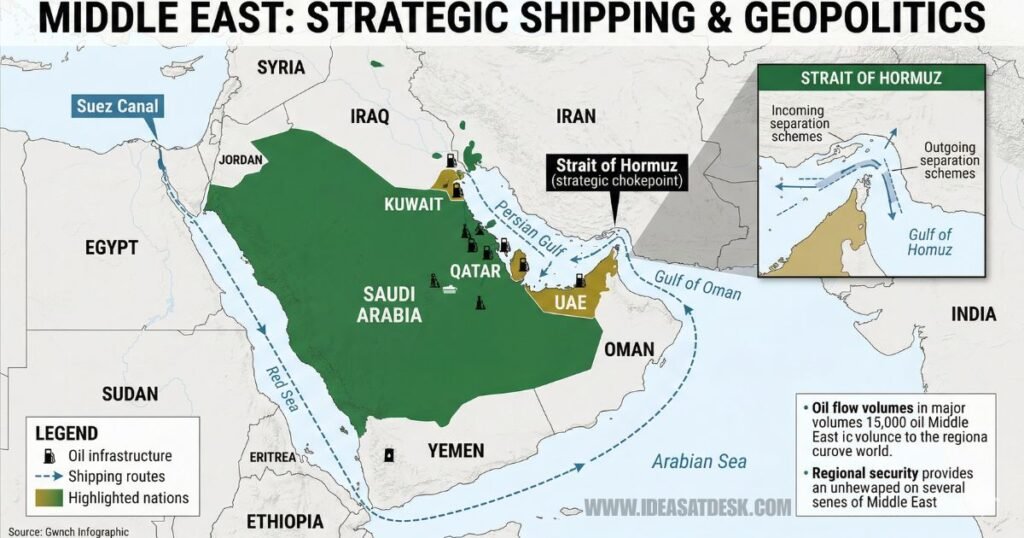
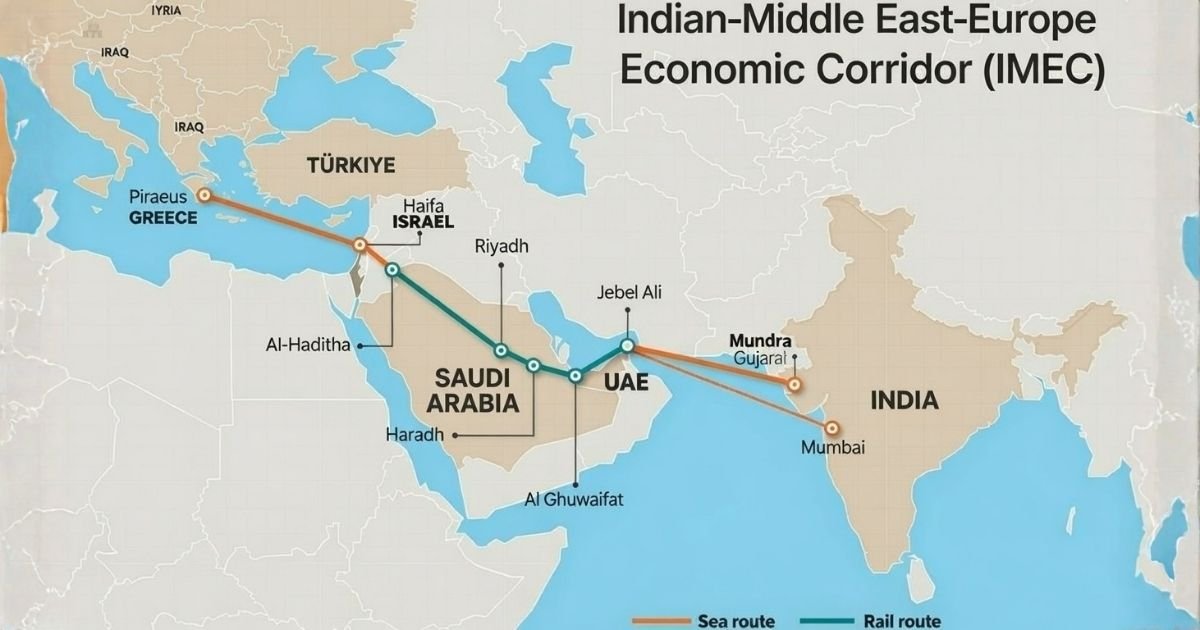
Take hubs like Jebel Ali.
They’re not just endpoints. They’re launchpads.
Indian products move into the UAE, then onward into the Gulf, Africa, and parts of Europe.
That structure is deliberate. The India UAE trade corridor functions as a gateway, not a destination.
The System Underneath
One side brings production and scale. The other brings distribution and access.
This isn’t really a deal. It’s a system.
And systems like this don’t make noise. They just keep working.
No keynote required.
Both nations understand that the India-UAE trade corridor works best when it operates quietly and efficiently, without political fanfare.
Why the India UAE Trade Corridor Matters to Professionals
This shift matters differently depending on where you sit.
For founders and operators: It lowers the cost of entering new markets. A company in Bangalore can now reach customers in the Gulf and Africa through UAE infrastructure.
For professionals: It increases demand for roles tied to logistics technology, fintech, compliance, and cross-border operations. If you’re in supply chain or trade finance, this corridor creates opportunities.
At a regional level: It creates more resilient supply chains.
And resilience is what people invest in when certainty is in short supply.
The Second-Order Effect Most People Miss
The first-order takeaway is growth.
The second-order takeaway is confidence.
Countries don’t organize trade corridors like this unless they expect them to last.
These are slow decisions. They involve infrastructure, policy alignment, and multi-year planning.
When both sides commit at this level, they’re signaling something beyond the numbers.
They’re signaling that they see each other as long-term partners, not short-term trading desks.
The India UAE trade corridor is a 10-year bet, not a quarterly initiative.
The Takeaway
If you’re watching India and the UAE, don’t just track the dollar figures.
Watch where the systems are forming. Watch where friction is dropping. Watch where capability is being traded, not just commodities.
That’s where the real story of the India UAE trade corridor lives.
This article is based on my video essay. Watch the full breakdown on Ideas at Desk on YouTube.