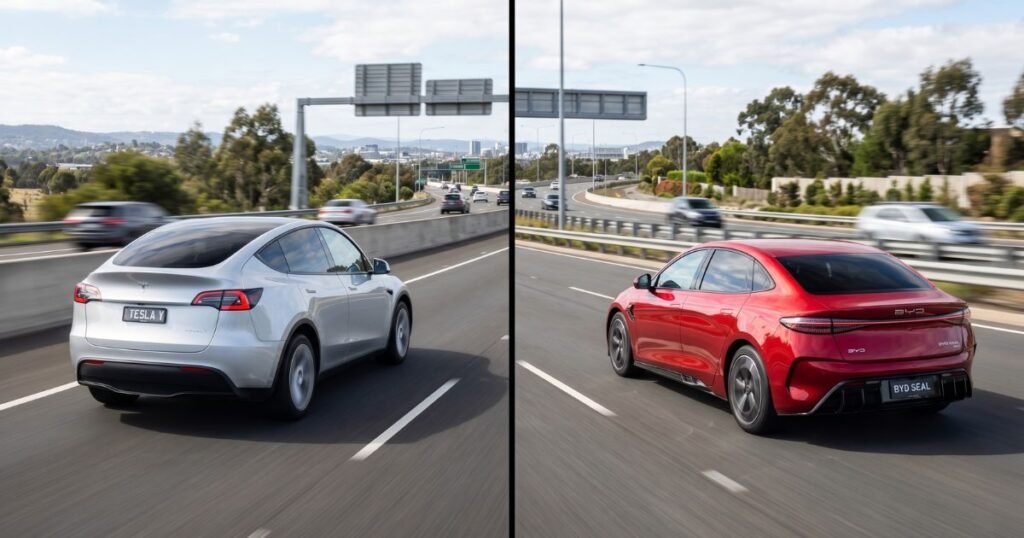
China’s 15th Five-Year Plan just dropped, and the word “peace” didn’t make the cut. While the world watched markets wobble, Beijing quietly finalized a blueprint that swaps growth-first economics for a national security bunker. This week, we’re breaking down what it means for business, chips, and the sky above your city.
Table of Contents
China’s 15th Five-Year Plan: The Security Pivot
In China, Five-Year Plans are the operating system for the country. The 2026-2030 version was approved at the National People’s Congress in March, and the vibe has shifted.
For decades, these plans opened with “Peace and Development.” That’s gone. It’s been replaced by language around “systemic resilience,” “risk monitoring,” and “strategic endurance.”
The big pivot: Beijing is officially lowering its GDP growth target to around 4.5%. They aren’t trying to be the world’s fastest runner anymore. They’re trying to be the hardest to knock down.
Billions are being poured into what the CCP calls “New Quality Productive Forces.” That’s party-speak for tech they control and you can’t block, including semiconductors, AI, aerospace, and quantum computing.
Why this matters for your desk:
If you’re in global trade, the “just-in-time” supply chain model is under pressure. Beijing is stockpiling strategic minerals. Tungsten has surged over 200% in price since export controls kicked in. They aren’t just preparing for a trade war. They’re preparing for “Decoupling 2.0.”
If your business relies on Chinese minerals or hardware, your 2027 planning needs to start yesterday.
DeepSeek V4: China’s Chip Independence Day
You’ve heard of GPT-5. Have you heard of DeepSeek V4?
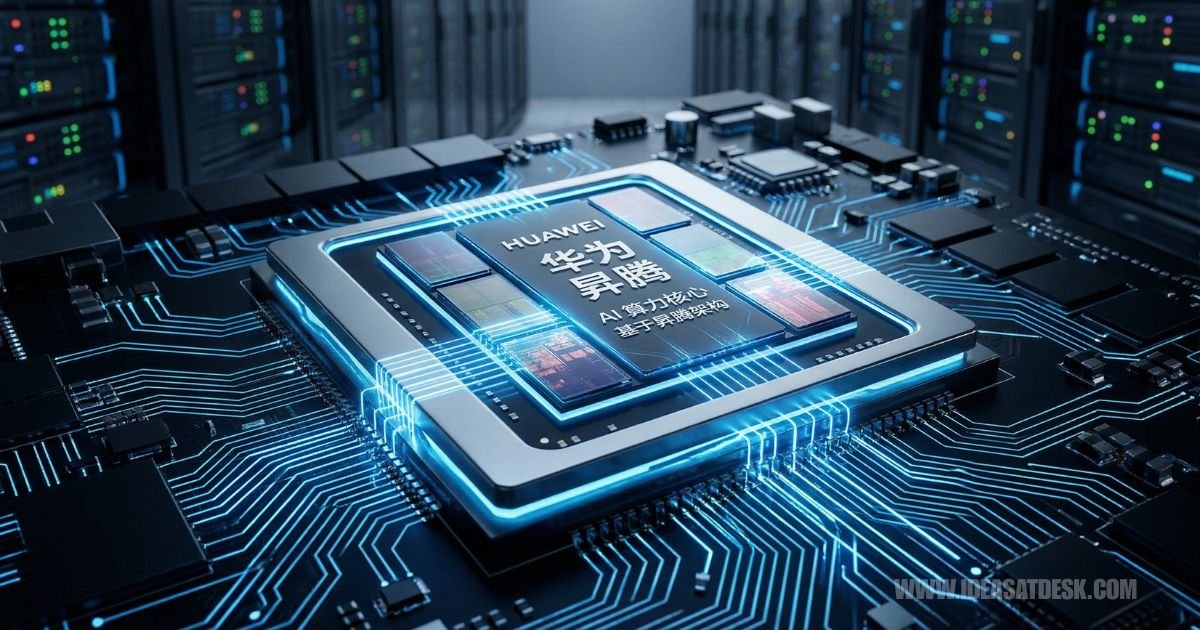
Reports confirmed this month that China’s newest AI model will run entirely on Huawei Ascend 950PR chips. No NVIDIA. No AMD. No Western silicon required.
This is a major moment for Shenzhen.
The backstory: For two years, the US tried to choke China’s AI growth by banning advanced NVIDIA chips. DeepSeek spent months working with Huawei and chipmaker Cambricon to rewrite V4’s code for Chinese hardware. They deliberately denied NVIDIA early access. Only Chinese chip companies got the preview.
The market response: Alibaba, Tencent, and ByteDance have placed bulk orders for hundreds of thousands of Huawei’s Ascend 950PR units. Chip prices jumped 20% in weeks.
The numbers:
- V4 uses a Mixture-of-Experts architecture with up to 1 trillion parameters
- Only ~37 billion parameters activate per response, keeping it fast
- Huawei plans to produce 600,000 Ascend 910C chips in 2026, double last year’s output
- Total Ascend production capacity is ramping to 1.6 million units
What this signals:
The world is splitting into three digital empires: the US stack, the China stack, and the non-aligned middle powers figuring out which way to lean. At the desk, we call this the “Hardware Divorce.” It’s going to make tech more expensive, more fragmented, and much more interesting to watch.
Winner of the Week: The Low-Altitude Economy
China’s 15th Five-Year Plan includes “low-altitude economy” as a strategic priority alongside quantum computing and AI.
In December 2025, China updated its Civil Aviation Law with dedicated regulations for drones and eVTOLs. New standards take effect in May 2026. By 2027, commercial applications in urban air transportation, logistics, and emergency rescue are expected to be operational.
The numbers:
- Beijing projects the low-altitude economy to grow from ¥1.5 trillion ($211B) in 2025 to ¥2 trillion by 2030
- By 2035, the government projects the sector will reach ¥3.5 trillion
- 608,000 drones were newly registered in the first half of 2024 alone, a 48% increase
- Shenzhen alone targets 1,200 vertiport platforms by 2026
While the rest of the world argues about flight paths, China is building drone highways like they built high-speed rail in 2010. The sky is officially open for business.
Loser of the Week: Global Procurement Managers
Specifically, anyone who needs tungsten.
China controls over 80% of global tungsten production. In February 2025, Beijing placed tungsten products on its export control list. Then in January 2026, they activated the “Dual-Use Items Catalogue,” creating a permit system that can approve or deny exports case by case.
The damage:
- Tungsten prices surged over 200% in 2025
- APT (ammonium paratungstate) hit record levels above $2,250 per metric ton unit
- Chinese tungsten exports dropped 40% year-over-year
- APT-specific exports plunged 70% to just 243 tonnes in the first 11 months of 2025
Why it matters:
Tungsten is used in microchips, armor-piercing ammunition, aerospace components, and high-end drill bits. The US has no domestic tungsten mining, having closed its last mine in 2015. Western buyers are now scrambling for alternative supply from South Korea, Portugal, and Australia, but new production is 3-5 years away.
If you’re in manufacturing, your costs just went vertical. It’s a supply chain nightmare disguised as a policy update.
Soucre: India’s Sovereign AI Stack Is Already Built on American Cloud
The Thread: What Ties This All Together
China’s 15th Five-Year Plan isn’t just an economic document. It’s a strategic positioning statement.
The pattern:
- Lower growth targets + higher resilience spending = bunker mode
- DeepSeek V4 on Huawei chips = AI independence from NVIDIA
- Low-altitude economy buildout = infrastructure for the next decade
- Tungsten export controls = leverage over Western manufacturing
Beijing is no longer asking whether China can grow fast enough to catch the US. They’re asking whether China can endure long enough to outlast it.
For businesses in the GCC and beyond, the question is simple: Are your supply chains ready for a world where China controls the inputs you need, and isn’t shy about using that leverage?
Idea from the Desk
I’ve been digging through the 100-page policy drafts from Beijing. My tip: Don’t look at the headlines. Look at the “Dual-Use Catalogues.” That’s where the real trade wars are won and lost.
Related: GCC AI Playbook: Why Gulf Countries Keep Building During War